
Essential Cleaning Tips & Guides: A Smarter Way to Keep Your Home Fresh and Organized
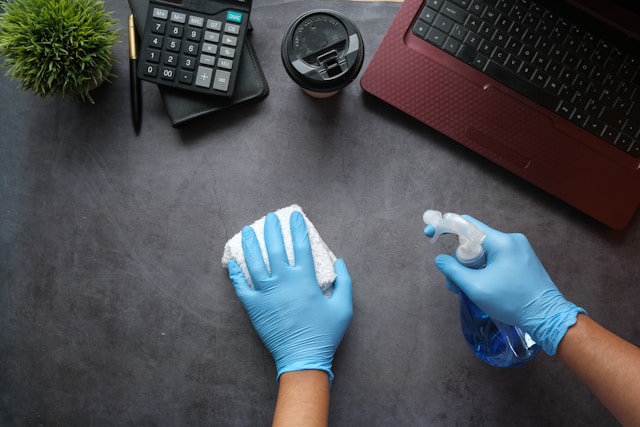
Keeping your home clean doesn’t have to mean spending an entire day scrubbing, dusting, and organizing. With the right cleaning routine, practical techniques, and a little consistency, you can maintain a fresh and comfortable living space without making cleaning feel overwhelming. Whether you are handling everyday messes, preparing for guests, or planning a deep clean, these practical cleaning tips can help you work more efficiently and keep every area of your home looking its best. 1. Create a Simple Cleaning Routine One of the easiest ways to maintain a clean home is to avoid letting small tasks build up. Instead of trying to clean everything at once, divide your household chores into daily, weekly, and occasional tasks. Daily cleaning can include making beds, wiping kitchen counters, washing dishes, and quickly tidying high-traffic areas. Weekly tasks may include vacuuming, mopping, bathroom cleaning, dusting, and changing bed linens. Deeper tasks such as cleaning behind appliances, washing windows, organizing cabinets, or cleaning baseboards can be scheduled less frequently. A structured routine makes cleaning easier to manage and helps prevent clutter, dust, and grime from becoming difficult to tackle. 2. Clean From Top to Bottom When cleaning a room, always start with higher surfaces and gradually work downward. Dust ceiling fans, shelves, light fixtures, cabinets, and furniture before cleaning the floor. Dust and small particles naturally fall while you work, so cleaning the floor first often means having to clean it again. Finish the room by vacuuming or mopping. This simple approach saves time and helps ensure that dirt removed from one surface does not create additional work elsewhere. 3. Focus on High-Touch Surfaces Some areas of the home are touched dozens of times every day but are easily overlooked during routine cleaning. Pay regular attention to: Including these areas in your regular routine helps maintain a cleaner overall environment. 4. Keep the Kitchen Under Control The kitchen can quickly become one of the busiest and messiest rooms in the home. Food preparation, cooking, dishes, spills, and daily traffic all contribute to frequent cleaning needs. Start by clearing countertops and putting unnecessary items away. Wipe food preparation surfaces regularly and clean spills before they have time to dry. Pay particular attention to the sink, stovetop, cabinet handles, refrigerator handles, and frequently used appliances. It is also helpful to periodically check the refrigerator and pantry. Removing expired products and wiping shelves prevents unnecessary clutter and makes everyday kitchen organization easier. 5. Make Bathroom Cleaning Easier Bathrooms benefit greatly from frequent light cleaning rather than occasional intensive scrubbing. Regularly wipe sinks, faucets, mirrors, countertops, showers, tubs, and other frequently used surfaces. Keeping moisture under control is also important, so use appropriate ventilation whenever possible. Instead of waiting for visible buildup, include the bathroom in your weekly cleaning schedule. Small but consistent efforts can make deeper cleaning considerably easier. 6. Dust More Effectively Dust can accumulate on furniture, electronics, shelves, decorative objects, window areas, and other surfaces throughout the home. Rather than moving dust around with a dry cloth, use a suitable microfiber cloth or cleaning method for the surface you are treating. Work systematically around the room instead of jumping randomly between areas. Remember commonly overlooked locations such as the tops of doors, window ledges, lamps, picture frames, baseboards, and furniture edges. Regular dusting can also make the entire room look brighter and more polished. 7. Vacuum Strategically Before vacuuming, remove small objects and clear unnecessary clutter from the floor. This allows you to move efficiently through the room without repeatedly stopping. Pay extra attention to areas where dust and debris tend to collect, including underneath furniture, along edges, around entryways, and in frequently used walkways. For larger homes, dividing vacuuming into zones can make the task more manageable. 8. Declutter Before Deep Cleaning Cleaning around piles of unnecessary items makes every task more difficult. Before beginning a major cleaning session, spend a few minutes decluttering. Put misplaced objects back where they belong, dispose of unnecessary waste, organize loose items, and clear the surfaces you intend to clean. A less cluttered space is easier to dust, vacuum, mop, and maintain. Consider keeping designated storage areas for frequently used objects. When everything has a place, everyday tidying becomes significantly faster. 9. Don’t Forget Frequently Missed Areas Even homes that are cleaned regularly can have overlooked areas. During periodic deep cleaning, consider checking: These areas may not require attention every week, but adding them to a rotating cleaning schedule prevents long-term buildup. 10. Use the Right Product for the Surface Not every cleaning product is suitable for every material. Wood, natural stone, glass, stainless steel, tile, upholstery, and painted surfaces may require different cleaning methods. Always check the manufacturer’s care recommendations and the instructions provided with cleaning products. When trying a new product, testing it on a small, less visible area first can help prevent unwanted discoloration or surface damage. Using the appropriate method is just as important as cleaning regularly. 11. Handle Spills Quickly A small spill is usually easier to manage immediately than several hours later. When something spills, remove excess material carefully and treat the affected surface according to its specific care requirements. Avoid aggressive rubbing when dealing with carpets or upholstery, as this may spread the affected area or push material deeper into the fibers. Quick attention can make routine cleaning much simpler. 12. Use a Room-by-Room System If cleaning the entire home feels overwhelming, focus on one room at a time. Start by removing clutter, then dust higher surfaces, wipe furniture and frequently touched areas, clean specific fixtures, and finish with the floor. Complete one space before moving to the next. This approach provides visible progress and makes larger cleaning projects easier to organize. 13. Make Cleaning a Shared Responsibility In a busy household, cleaning does not have to fall on one person. Simple responsibilities can be divided among family members or housemates. Making beds, putting belongings away, loading the dishwasher, wiping counters, and keeping personal spaces organized can significantly reduce the